In a world overflowing with choices, AI recommendation systems are like that friend who always knows what you should binge-watch next or which pizza topping will change your life. These smart algorithms sift through mountains of data to serve up personalized suggestions, making decision-making feel less like a chore and more like a delightful surprise.
Overview of AI Recommendation Systems
AI recommendation systems play a crucial role in personalizing user experiences across various platforms. These systems analyze vast amounts of data to predict preferences and suggest content tailored to individual tastes. They use algorithms to assess user behavior, item attributes, and historical trends, enabling dynamic adjustments to suggestions.
Collaborative filtering represents one common approach, where user interactions with items influence recommendations. When a user rates movies, for instance, the system identifies similarities with others who share preferences. Content-based filtering, another approach, focuses on the characteristics of items themselves. For example, if a user enjoys action movies, the system suggests similar titles based on genre or director.
Many well-known companies deploy AI recommendation systems. Netflix utilizes algorithms to recommend shows based on viewing history. Amazon’s system suggests products by analyzing purchase patterns and user searches. Spotify curates personalized playlists by examining listened-to songs and artists.
The impact of these systems extends beyond mere convenience. They enhance user engagement, leading to increased participation on platforms. Better user retention often results from tailored recommendations that resonate with individual interests.
Future advancements in AI recommendation systems promise greater accuracy and personalization. Emerging technologies, such as neural networks and deep learning, enable more complex analyses of data. These innovations allow for real-time adaptation to user behavior, making recommendations even more relevant.
Ultimately, AI recommendation systems transform how users interact with digital content. They streamline decision-making processes, making exploration and discovery enjoyable rather than overwhelming.
Types of AI Recommendation Systems
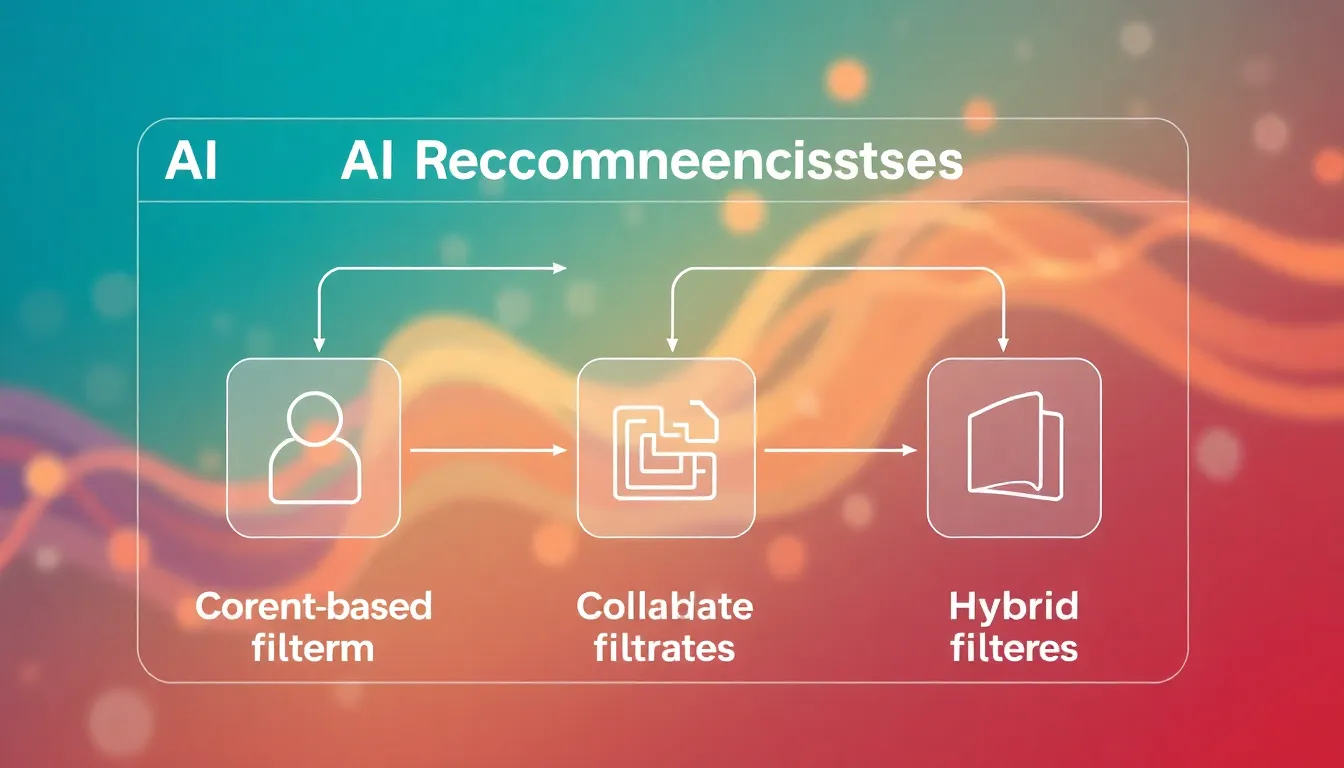
AI recommendation systems include various approaches, each serving unique needs. Understanding these types enhances the ability to utilize them effectively across applications.
Content-Based Filtering
Content-based filtering focuses on the characteristics of items and the preferences of users. It analyzes features such as genre, keywords, and descriptions of products or content. For instance, a user who enjoys mystery novels may receive suggestions for similar titles. By using this method, the system recommends items that align closely with past user favorites, ensuring relevant choices. Algorithms adjust continuously based on user interactions, promoting personalization and satisfaction.
Collaborative Filtering
Collaborative filtering relies on user interactions and shared preferences among a community. This method requires user behavior data, such as ratings or purchase history, to identify patterns. For example, if user A and user B share similar tastes, item recommendations for one can benefit the other. Two forms exist: user-based and item-based. User-based examines preferences among groups, while item-based assesses similarities between items. This adaptable approach enhances the relevance of suggestions by leveraging collective insights.
Hybrid Approaches
Hybrid approaches combine elements of both content-based and collaborative filtering. By integrating diverse data sources, these systems deliver more accurate recommendations. For instance, a streaming service may use collaborative filtering to recommend shows while also considering content attributes. Such a method enhances performance by mitigating the weaknesses of individual systems, leading to broader coverage of user preferences. Ultimately, hybrid systems often achieve higher user satisfaction through refined suggestions tailored to individual behaviors.
Key Technologies Behind AI Recommendation Systems
AI recommendation systems leverage key technologies to deliver precise suggestions. Understanding these technologies allows insights into how recommendations are generated.
Machine Learning Algorithms
Machine learning algorithms form the backbone of AI recommendation systems. They analyze user interactions and identify patterns in user preferences. Collaborative filtering models use existing data from similar users to predict what an individual might enjoy. Content-based filtering algorithms evaluate item attributes and relate them to user preferences. Hybrid methods combine both approaches, improving accuracy by utilizing the strengths of each model. Popular libraries, such as TensorFlow and scikit-learn, facilitate the development and implementation of these algorithms, making it easier to create robust recommendation systems.
Natural Language Processing
Natural language processing (NLP) enhances AI recommendation systems by enabling them to understand user-generated content. Through NLP, systems process and analyze text data from user reviews and feedback. By extracting sentiment and preferences from language, recommendations become more personalized. Techniques like tokenization and named entity recognition help in understanding the context behind user interactions. Analyzing user comments, these systems can recommend items that resonate with specific tastes. Companies increasingly integrate NLP to refine their recommendation capabilities, ensuring suggestions align with user sentiments.
Challenges in AI Recommendation Systems
AI recommendation systems face several significant challenges that impact their effectiveness.
Data Privacy Concerns
Data privacy concerns persist as AI systems collect large amounts of user data. Users express apprehension about how their information is stored and utilized. Strict regulations, such as the General Data Protection Regulation (GDPR), demand transparency and consent regarding data usage. Companies must implement robust security measures to protect sensitive information. Failure to ensure privacy can lead to loss of user trust and potential legal repercussions. Thus, organizations need to balance personalization with ethical data practices, maintaining user confidentiality while delivering tailored recommendations.
Bias and Fairness Issues
Bias and fairness issues arise in AI recommendation systems, potentially skewing recommendations. Data used to train these systems may reflect societal biases, leading to unfair treatment of certain demographic groups. Algorithmic discrimination can result in biased suggestions that reinforce stereotypes or exclude specific users. To mitigate this, developers should incorporate diverse datasets and conduct regular audits to identify and address biases. Fairness needs to be a priority, ensuring that recommendations serve all users equitably. Fostering an inclusive approach enhances user experience and promotes trust in AI technologies.
Future Trends in AI Recommendation Systems
Emerging technologies are shaping the landscape of AI recommendation systems. As data availability expands, models will increasingly leverage real-time analytics to provide hyper-personalized suggestions. This shift ensures users receive recommendations that align closely with their current preferences and behaviors.
Deep learning advancements offer substantial improvements in recommendation accuracy. Neural networks can process complex data patterns, allowing systems to understand intricate user preferences. More sophisticated algorithms will refine content delivery, accommodating diverse interests with greater effectiveness.
Increased utilization of multimodal data represents another trend. Systems will analyze a combination of text, images, and behaviors to enhance user understanding. By tapping into various data sources, recommendations will become more contextual and relevant.
Greater emphasis on ethical AI practices is also anticipated. Companies will prioritize user privacy and data protection while developing algorithms. Compliance with regulations such as the GDPR will foster trust, allowing users to feel confident in how their data is managed.
Bias mitigation strategies will gain traction. Developers will focus on creating more diverse datasets to ensure equitable treatment across demographics. Ongoing audits will identify and rectify potential biases, promoting fairness in recommendations.
Finally, industry collaborations will enhance recommendation systems’ capabilities. Partnerships among tech companies and academic institutions will drive innovation. Collaborative research will facilitate the sharing of insights and methods, leading to the development of more robust AI solutions.
Conclusion
AI recommendation systems are reshaping how users engage with content across various platforms. By personalizing experiences and simplifying decision-making, these systems serve as invaluable tools in today’s digital landscape. As technology evolves, the potential for hyper-personalized suggestions and real-time adaptations will only grow.
However, addressing data privacy and bias remains crucial for maintaining user trust. Developers must prioritize ethical practices and diverse datasets to ensure equitable recommendations. With ongoing advancements and collaborations, the future of AI recommendation systems promises to enhance user satisfaction while fostering a responsible approach to technology.