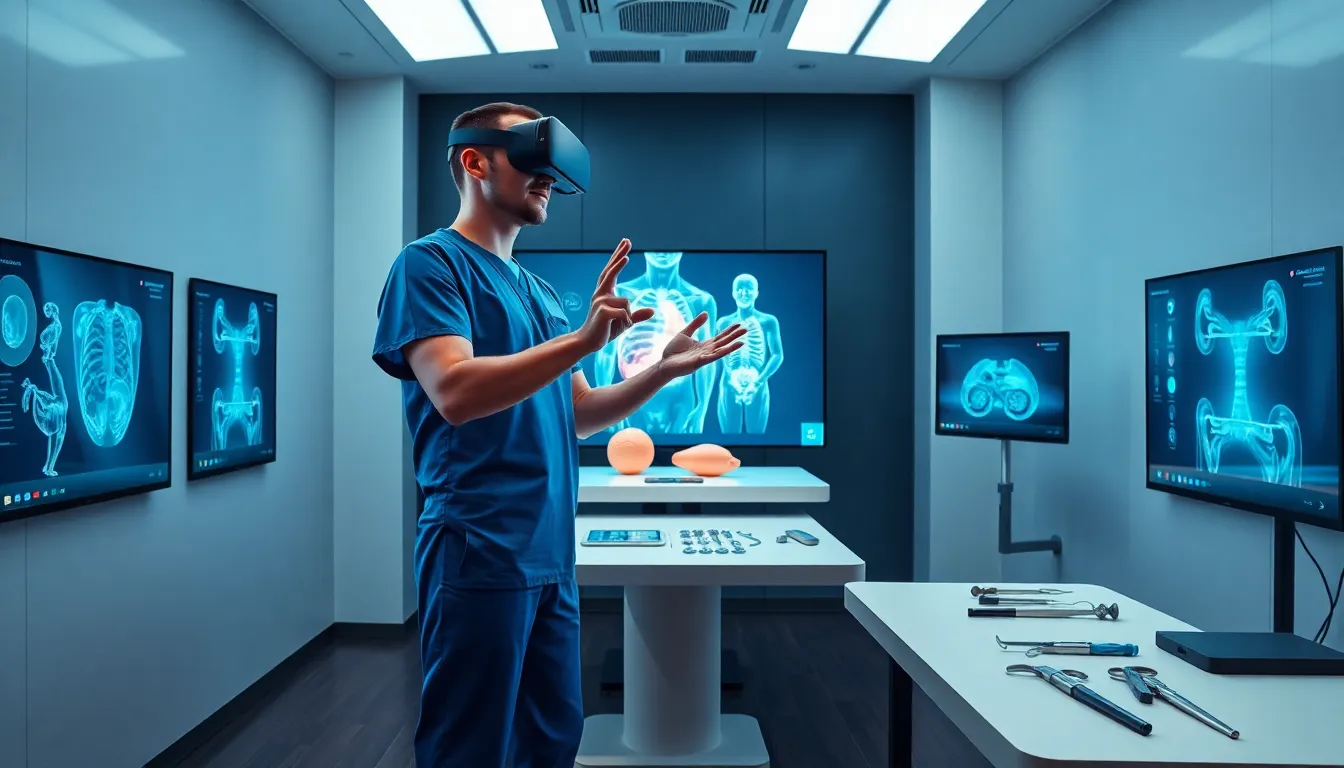
Ever thought about stepping into the shoes of a surgeon without the, you know, actual life-and-death consequences? Welcome to the world of surgical virtual reality. Imagine performing surgery in a virtual environment where mistakes don’t mean malpractice suits, and every incision hones your skills. That’s right, surgical virtual reality is not just a sci-fi dream anymore: it’s a revolutionary tool that’s changing how medicine is practiced. In this text, we’ll investigate deep into the fascinating realm of surgical VR, its applications, benefits, and even its challenges. So, buckle up because this journey through high-tech operating rooms is going to be exciting.
Understanding Surgical Virtual Reality
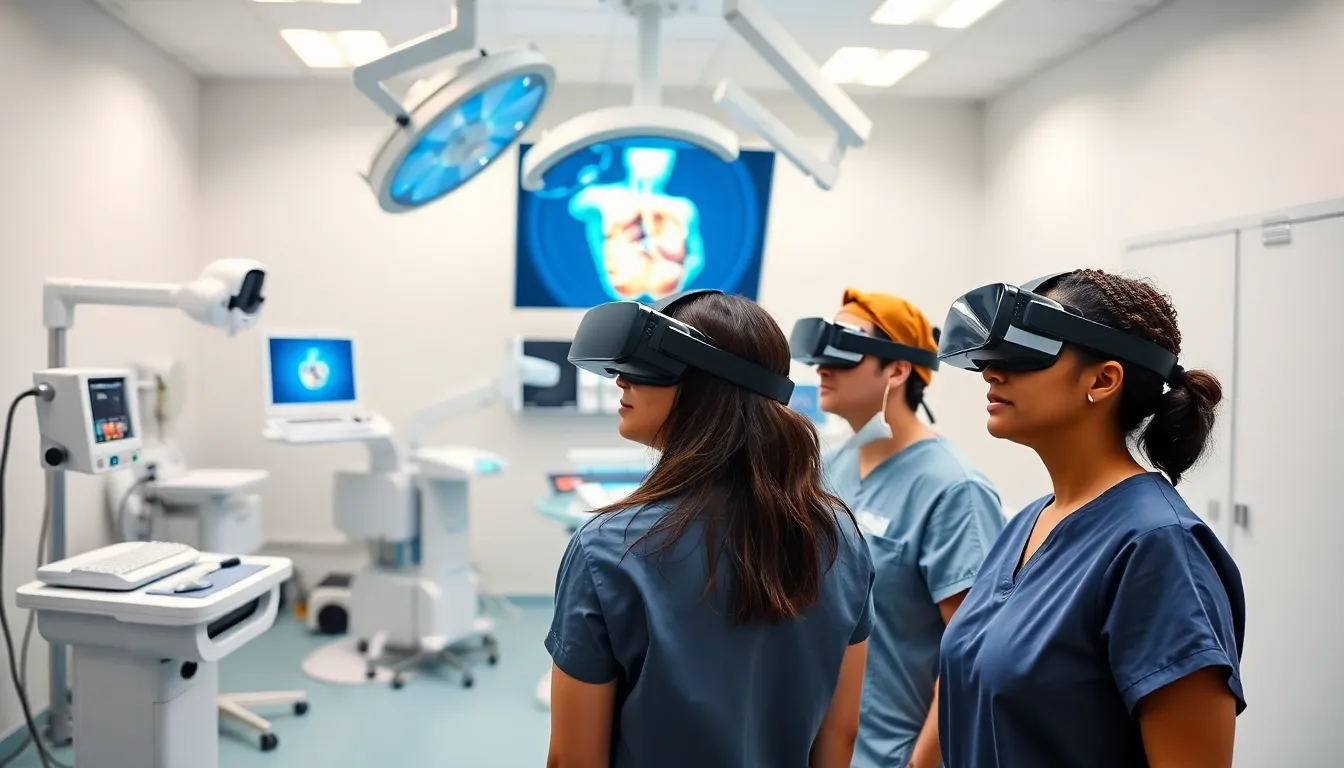
Surgical virtual reality (VR) is an innovative technology that immerses medical professionals in lifelike simulations. This technology allows them to experience procedures virtually before stepping into an actual operating room. Using headsets, surgeons can manipulate 3D models and perform virtual surgeries that mimic real-life scenarios. The process can help familiarize them with complex procedures, anatomy, and unforeseen complications that may arise during surgery. Not only does this provide a safe space to learn, but it also enhances decision-making skills under pressure. Essentially, surgical VR serves as a highly immersive classroom where the stakes are low. While traditional training methods may include textbooks and observational internships, surgical VR brings a hands-on approach to learning and mastery.
Applications of Surgical Virtual Reality
Surgical virtual reality finds its applications in various facets of medicine. From training and education to planning complex surgeries, VR is becoming a game-changer.
Training and Education
In medical schools, VR enables students to practice without any risk. They can conduct highly invasive procedures on virtual patients, receiving feedback and guidance in real-time. This hands-on experience bolsters confidence and reduces anxiety before actual surgeries.
Surgical Planning
Hiring talented surgeons is vital in today’s medical field. With VR, surgeons can rehearse complicated surgical procedures beforehand. By visualizing the patient’s anatomy in 3D, they can devise strategies for unexpected challenges, reducing the risk of complications.
Patient Education
Also, but not least, surgical VR can help enhance patient understanding. When patients can visualize how a procedure is performed, they can better grasp the implications and necessities involved. This fosters trust and encourages informed decisions about treatment options.
Benefits of Surgical Virtual Reality in Medicine
The advantages of surgical virtual reality extend beyond basic training. One major benefit is enhanced skills development. Surgeons who undergo VR training report improved precision and quicker adaptation to real surgical environments.
Another significant advantage is increased patient safety. By rehearsing procedures in virtual reality, surgeons can identify the most effective techniques while minimizing risks. As a result, patients can feel more secure as they enter the operating room.
Also, surgical VR can also lead to reduced surgery time. Surgeons who practice extensively in VR tend to navigate complex scenarios more efficiently, allowing for quicker operations without compromising quality. Finally, surgical virtual reality fosters continuous learning. Medical techniques evolve, and VR can adapt to teach new procedures, ensuring that surgeons remain current and competent.
Challenges and Limitations
Even though its many benefits, surgical virtual reality does come with its challenges. One notable limitation is the high cost of VR equipment and software. Many institutions may find it difficult to invest in this technology, especially those that are already budget-strapped.
Also, while VR provides a lifelike experience, some critics argue it can’t fully replicate the emotional and physical demands of real surgery. The reality of human interaction, blood, and unpredictability brings an element to the operating room that virtual reality can’t completely emulate.
There’s also the risk of over-reliance on technology. While VR can enhance skills, surgeons still need to develop instincts and judgment that only come from real-life experience. Finally, ensuring that all surgical VR programs are standardized and accredited remains a hurdle. Consistency in training can vary widely based on the technology and programs used.
Future Trends in Surgical Virtual Reality
As technology continues to advance, the future of surgical virtual reality looks promising. Integration with artificial intelligence could create even more sophisticated training environments. Imagine AI-driven simulations that analyze a surgeon’s performance and adjust challenges based on skill levels.
Besides, the use of haptic feedback systems is on the rise. These systems provide tactile sensations to mimic real-life surgical conditions, enhancing the realism of training. Also, virtual reality is becoming collaborative, allowing multiple surgeons to work in a virtual environment regardless of geographical barriers. This paves the way for global surgeries and consultations, ushering in a new era in medicine.
Finally, ongoing research into personalized surgery simulations will allow for better preparation for unique anatomical challenges specific to each patient. With all these developments, surgical virtual reality could well redefine the training and practice of medicine in years to come.