Imagine stepping into a world where the boundaries of reality vanish and limitless possibilities await. That’s the magic of virtual reality (VR) development, a riveting realm where creativity melds with technology. If someone told you that you could be in a high-stakes space battle or walking through an ancient city without leaving your living room, would you believe them? Well, believe it. Virtual reality development services are here to revolutionize how we interact with the digital universe. In this text, we will explore everything from the core components that make VR tick to the essential factors for choosing the right development partner. Gear up as we take a deep jump into this intriguing realm.
Understanding Virtual Reality Development
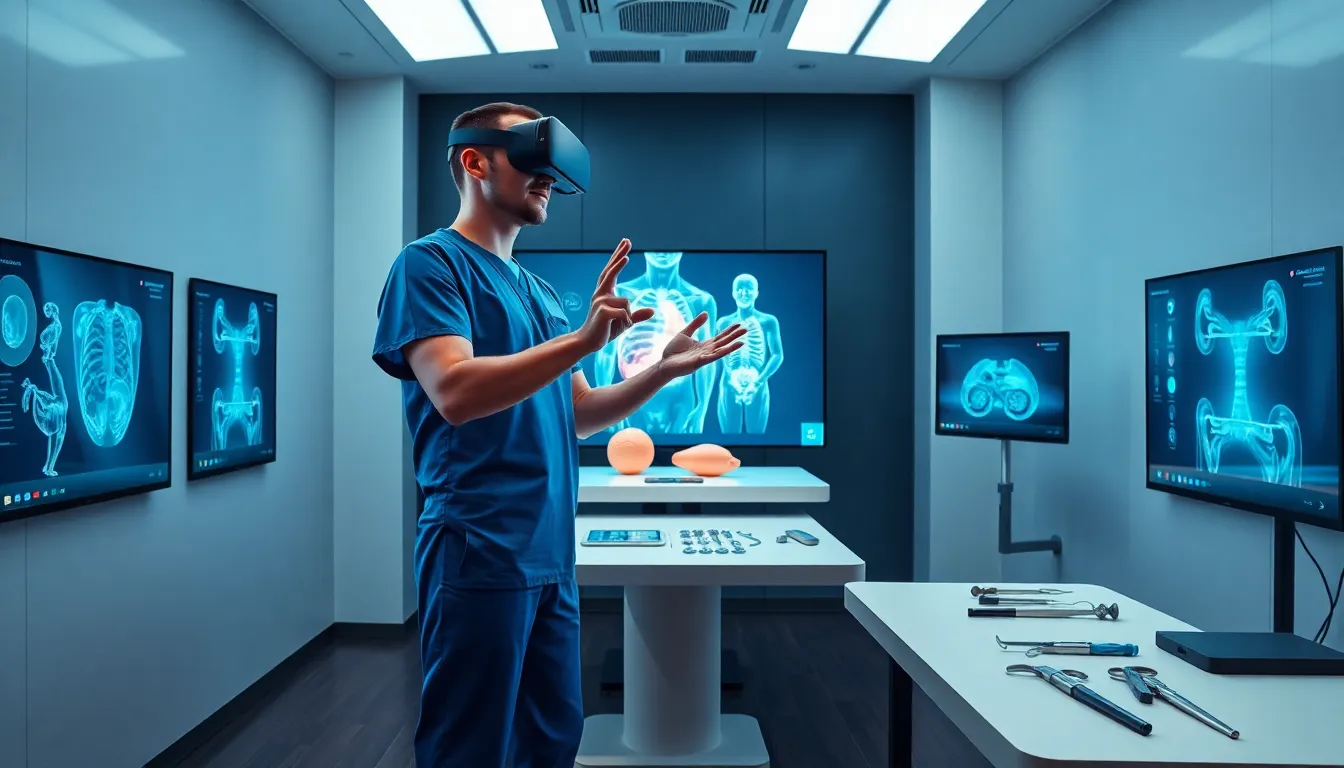
Virtual reality development is more than just creating enjoyable video games or engaging 3D models. At its core, it encompasses the design, coding, and integration of software and hardware to create immersive experiences that can nearly transport users to different worlds. As technology evolves, VR development has expanded beyond entertainment into fields like education, training, and healthcare.
It’s essential to distinguish between immersive virtual reality, which requires specialized hardware like headsets, and augmented reality, where digital elements overlay the real world. Essentially, VR development services are the architects of virtual spaces, building everything from realistic environments and interactive characters to complex simulations that respond to users’ actions.
Key Components of Virtual Reality Development
Several key components drive the success of virtual reality development:
- Hardware: Devices such as headsets, sensors, and controllers are crucial for providing a seamless experience. Popular headsets like the Oculus Rift, HTC Vive, or PlayStation VR have set a high standard in the industry.
- Software: The backbone of any virtual reality experience, the software includes game engines like Unity or Unreal Engine, enabling developers to create intricate environments and interactions.
- User Interfaces: Navigational elements that enhance usability, ensuring that users can interact with the virtual world intuitively.
- Content: Engaging content is vital. Whether it’s a breathtaking virtual world or a detailed simulation, what’s offered needs to captivate users from the moment they set foot, or rather, headset, into the environment.
Types of Virtual Reality Experiences
Virtual reality experiences can be categorized into several types, each offering unique interactions:
1. Fully Immersive VR
This type envelops users in a virtual environment where they can interact with 3D worlds through headsets and motion controls. Examples include VR gaming or immersive training scenarios.
2. Non-Immersive VR
Less intense, non-immersive experiences typically allow users to engage in 3D environments through a computer screen. This can include VR applications or simulations accessed without specialized headgear.
3. Augmented Reality (AR)
While technically different from VR, AR enhances reality by overlaying digital elements onto the physical world. Think Pokémon Go or AR navigation systems.
4. Collaborative Virtual Environments
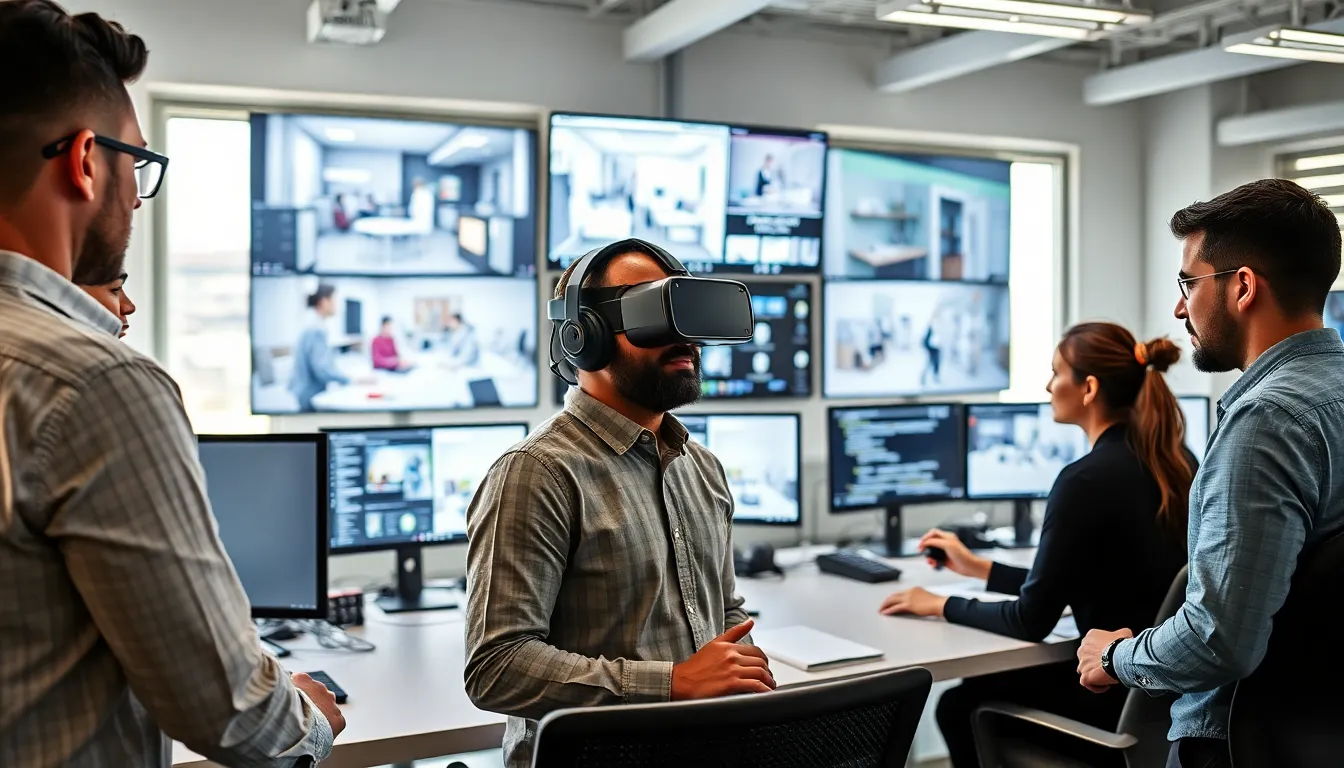
This type enables multiple users to interact in the same virtual space, perfect for team training sessions or joint brainstorming in a virtual office setting.
Benefits of Virtual Reality Development Services
Investing in virtual reality development services brings numerous advantages:
- Enhanced Learning Experiences: VR can improve information retention and engagement in educational settings by presenting complex subjects in visually stimulating ways.
- Safe Training Environments: Industries such as aviation and healthcare use VR to train employees without the risks associated with real-world scenarios.
- Increased Customer Engagement: Brands leverage immersive VR experiences to captivate customers, providing a unique way to engage with products or services.
- Cognitive and Empathy Development: VR can effectively foster empathy, allowing users to experience situations they may never encounter in real life, like stepping into someone else’s shoes to understand their struggles better.
Choosing the Right Virtual Reality Development Partner
Navigating the realm of virtual reality can be daunting, especially when it comes to selecting a development partner. Here are some pointers to consider:
- Experience and Expertise: Do they have a portfolio showcasing diverse VR projects? Assessing their previous work can provide insights into their capability and style.
- Technological Proficiency: Ensure that the partner is well-versed in the tools and platforms that align with your vision.
- Client Testimonials: Positive feedback from previous clients speaks volumes about a company’s reliability and quality of service.
- Post-Launch Support: The development doesn’t end at launch. Having a partner that offers ongoing support is crucial to address any issues that may arise post-implementation.
Future Trends in Virtual Reality Development
The future of virtual reality looks promising, with several trends indicating where the industry is headed:
- Increased Accessibility: As technology advances, costs for VR devices are dropping, making it more accessible for individuals and businesses alike.
- Integration of AI: Artificial intelligence is being integrated into VR experiences, enabling more dynamic interactions and personalized content.
- Cloud-Based VR: This technology will allow users to experience high-quality VR on any device without requiring expensive hardware, as all computing happens in the cloud.
- Social VR: The emergence of social platforms focused on VR interaction is on the rise, allowing users to connect in ways they haven’t before, creating communities within virtual spaces.