Imagine slipping on a headset and instantly being transported to a bustling marketplace or flying through the heavens. Sounds captivating, right? Well, that’s the magic that virtual reality (VR) developers create every day. These tech wizards blend creativity with coding, designing experiences that not only entertain but also educate and inform. As we dive deeper into VR’s expansive universe, let’s break down what it means to be a VR developer, the vital skills required, the tools at their disposal, and the incredible opportunities that lie ahead.
Understanding Virtual Reality Development
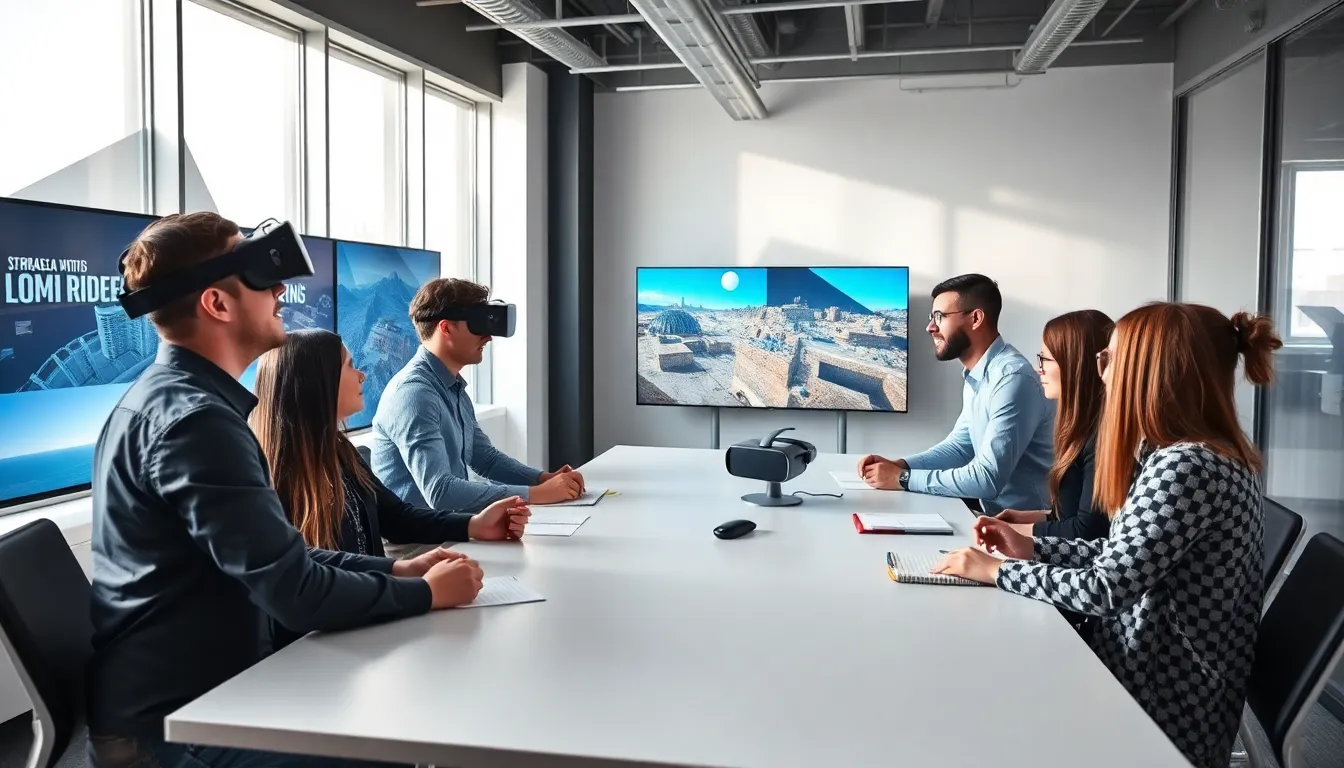
Virtual reality development centers around creating immersive digital environments. By using computer technology, developers simulate a three-dimensional space that interacts with users. This interaction can occur through various means, including headsets, gloves, and specialized equipment.
The core objective is to create a convincing experience that tricks the user’s senses into feeling as if they are actually present in another world. Whether it’s exploring ancient ruins or racing cars at breakneck speeds, the ideas are limited only by the imagination. But it’s more than just a visual feast: audio, haptics, and interface design play crucial roles. Developers must understand user experience (UX) to design pathways that guide users efficiently and engagingly. Every element must intuitively respond to the user’s movements, ensuring that every step taken feels natural and fluid.
Key Skills And Technologies For VR Developers
To thrive in the field of virtual reality, developers wield an arsenal of essential skills and technologies. Proficiency in programming languages like C#, C++, and Python tops the list. These languages form the backbone of most VR projects, allowing developers to create dynamic environments and responsive interactions.
Plus to coding skills, VR developers need to be well-versed in game engines such as Unity and Unreal Engine. These platforms enable developers to construct vivid worlds and bring their ideas to life. Familiarity with 3D modeling software like Blender or Maya is also beneficial. Designers use these tools to create the assets that populate the VR experience, from characters to intricate landscapes.
Soft skills are equally important. Communication and teamwork allow developers to collaborate effectively with designers, artists, and other stakeholders. Since VR projects often require multiple perspectives, the ability to articulate ideas and provide constructive feedback is vital.
Popular VR Development Tools And Platforms
Some popular platforms and tools define the VR landscape. Unity stands out as a favored engine due to its user-friendly interface and versatility. For those aiming for high-fidelity graphics, Unreal Engine often takes the prize.
In terms of hardware, Oculus Rift, HTC Vive, and PlayStation VR are leading the charge in providing immersive experiences. These devices have set the standard for what users expect from VR, blending cutting-edge technology with accessibility. Developers must create content optimized for these platforms, ensuring seamless integration with the hardware capabilities.
Also, tools like A-Frame for web-based VR experiences have gained traction. This framework enables developers to create 3D and VR experiences directly in a web browser, making VR more widely accessible. Gone are the days of needing specialized knowledge to produce engaging VR content.
The Role Of VR Developers In Various Industries
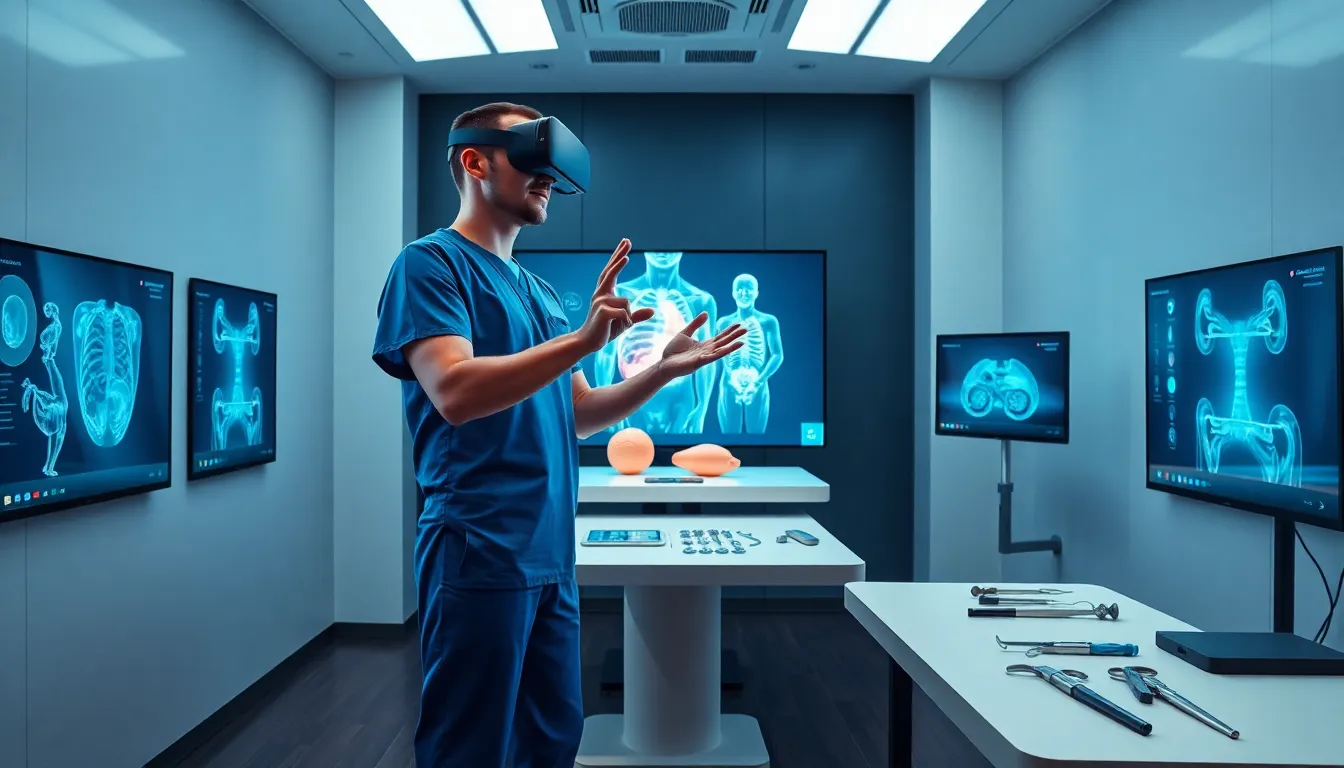
Virtual reality is revolutionizing several industries. In healthcare, VR developers design simulations for medical training, allowing practitioners to rehearse procedures in a risk-free environment. This hands-on practice enhances learning outcomes and builds confidence.
Education also benefits enormously. VR experiences can create interactive learning environments that captivate students, turning ordinary lessons into adventures. Imagine exploring the human body or conducting science experiments without leaving the classroom. This technology not only boosts engagement but also fosters better retention of information.
In the world of entertainment, VR games offer unparalleled levels of immersion. It’s not just limited to gaming, though: filmmakers are experimenting with VR to craft narrative experiences that draw audiences into their stories like never before. The retail sector utilizes VR for virtual shopping experiences, allowing customers to browse products from the comfort of their homes.
Challenges Faced By Virtual Reality Developers
Even though the exciting opportunities, VR developers face significant challenges. One notable hurdle is ensuring compatibility across various hardware and software platforms. Given the speed of technological change in the VR space, staying updated with the latest advancements can feel like a full-time job.
Also, optimizing performance while maintaining visual fidelity is a constant balancing act. Users expect smooth, lag-free experiences, and nothing turns them off quicker than motion sickness due to poor performance. Developers must conduct extensive testing and refining to deliver high-quality experiences.
User experience (UX) design presents another challenge. The difference between a flat experience and an immersive one often lies in the tiny details. Developers must learn how to guide users intuitively in a 3D space, a task that requires an intricate understanding of human behavior in virtual environments.
Career Pathways And Opportunities In VR Development
As virtual reality continues to grow, career pathways in this field expand. From indie developers to roles at major technology companies, opportunities vary widely. Many start as general software developers and transition into VR development, capitalizing on their existing coding skills while learning VR-specific technology.
Job titles like VR designer, software engineer, and 3D modeler are common. Some developers might venture into freelance work, creating custom VR experiences or consulting for companies looking to carry out VR solutions.
With the rise of remote work, many developers find themselves working with teams located around the globe. This collaborative environment fosters innovation and cross-pollination of ideas, pushing the boundaries of what’s possible in VR.
The Future Of Virtual Reality Development
Looking forward, the future of virtual reality development appears bright. As hardware becomes more advanced and accessible, developers will continue to unlock new potential for VR applications. Expect to see growth in areas like augmented reality (AR), where virtual elements blend seamlessly with the real world.
Emerging technologies, such as machine learning and AI, will likely influence VR development. Developers can create smarter, more adaptable environments that react to user behavior and preferences. With an ever-expanding toolkit at their disposal, the possibilities seem endless.
Also, as industries increasingly recognize the value of VR, investment in this technology is booming. This investment will spur innovation, leading to richer, more diverse applications. Virtual reality developers will be at the forefront of this evolution, continually shaping how we experience technology.